A single perspective is by its very nature limited. It offers but one way of viewing the world. Only through the union of complementary and contrasting views can a deeper understanding of reality emerge. Unity reveals itself through diversity. One through many.

Humanity in the 21st century is tragically ignorant of this truth. Once regarded as the rallying cry for human progress, calls for unity are increasingly abandoned in favour of fragmentation as individuals and communities retreat into physical and digital silos. Divisions of this kind and scale breed a host of societal ills – intolerance, fundamentalism, disinformation, isolation, overconsumption and cynicism – which leave us in a dire state of polarisation and paralysis. Where does one find truth, beauty and hope in a world split in two?

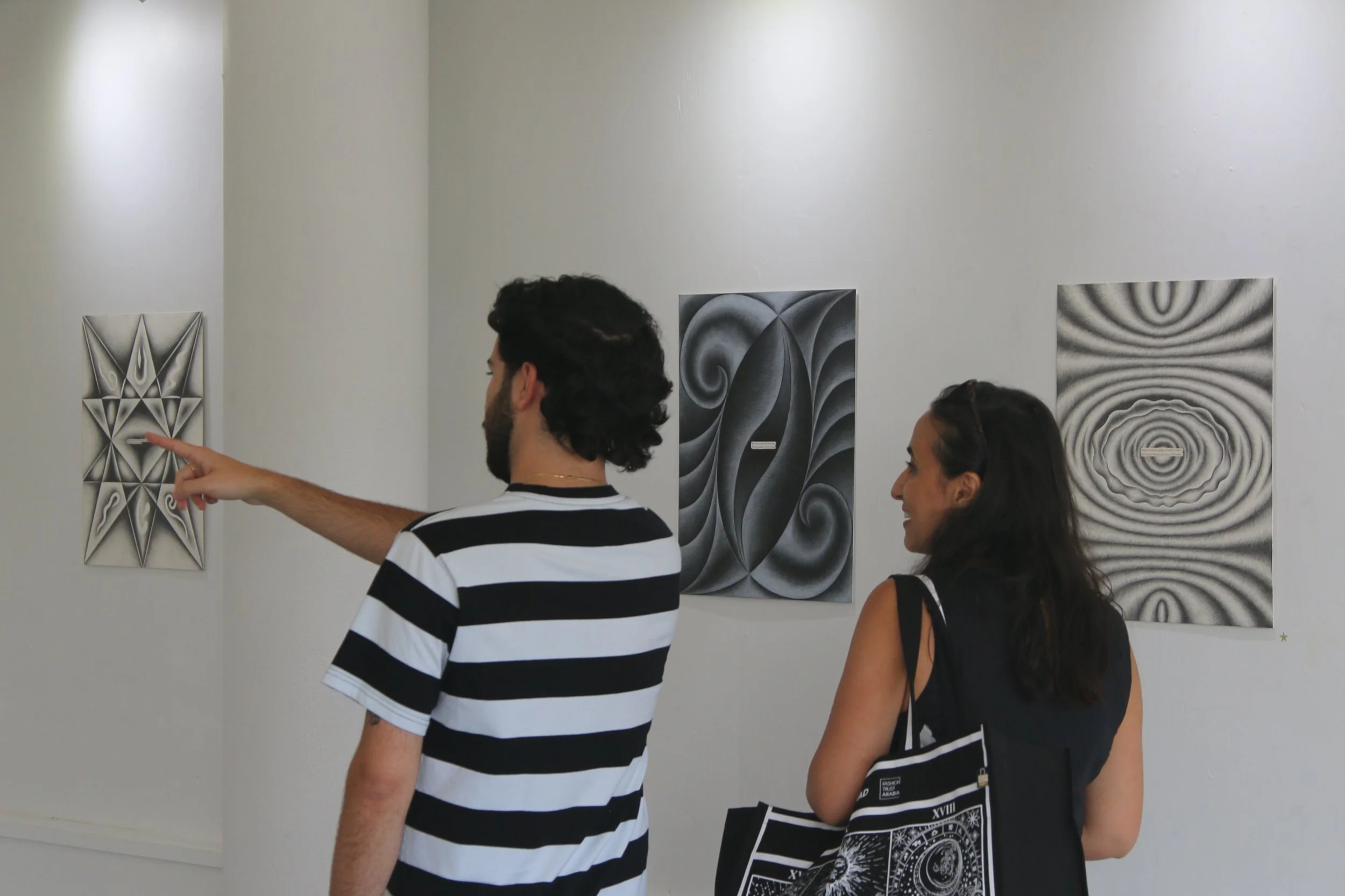
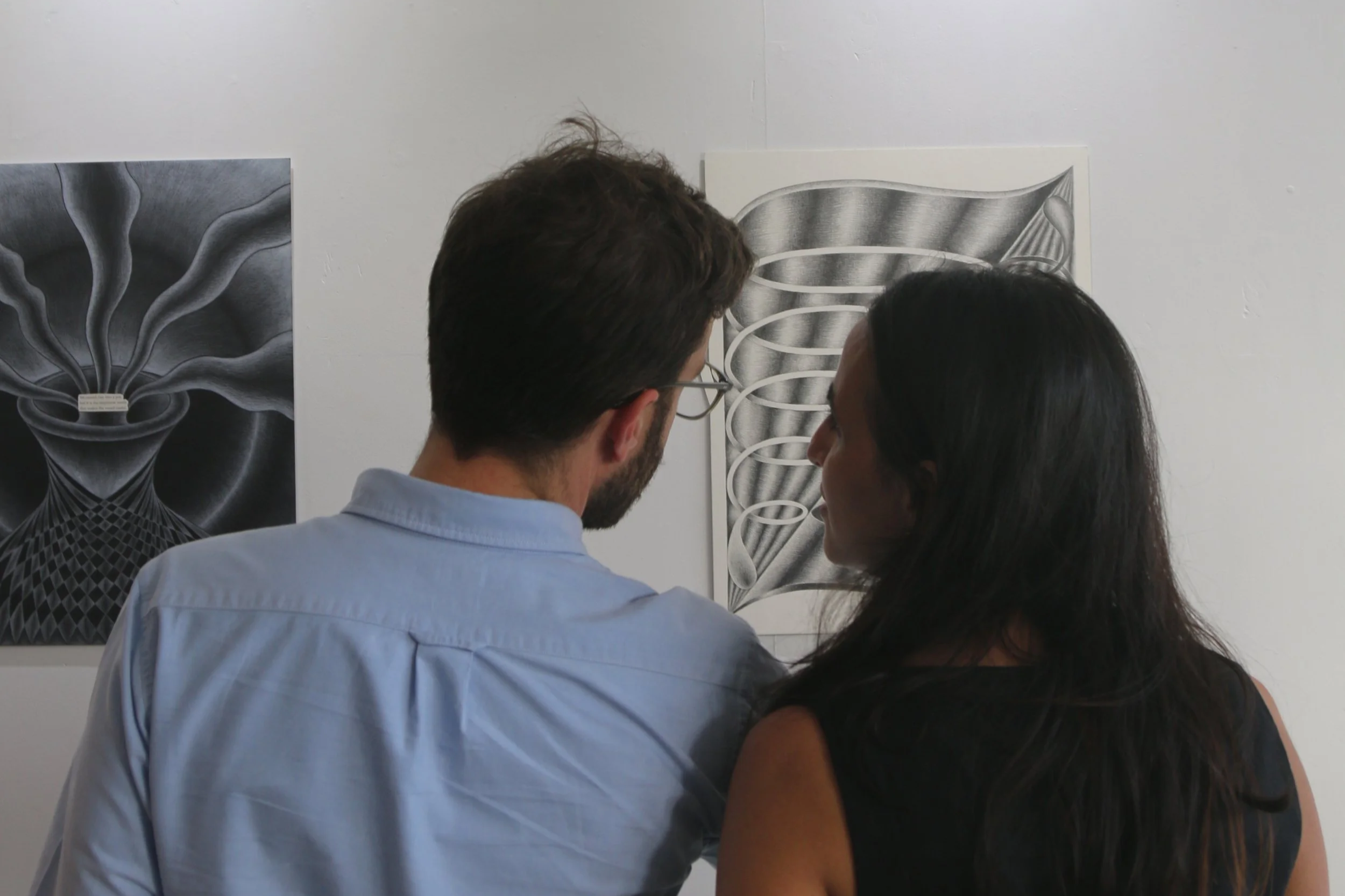
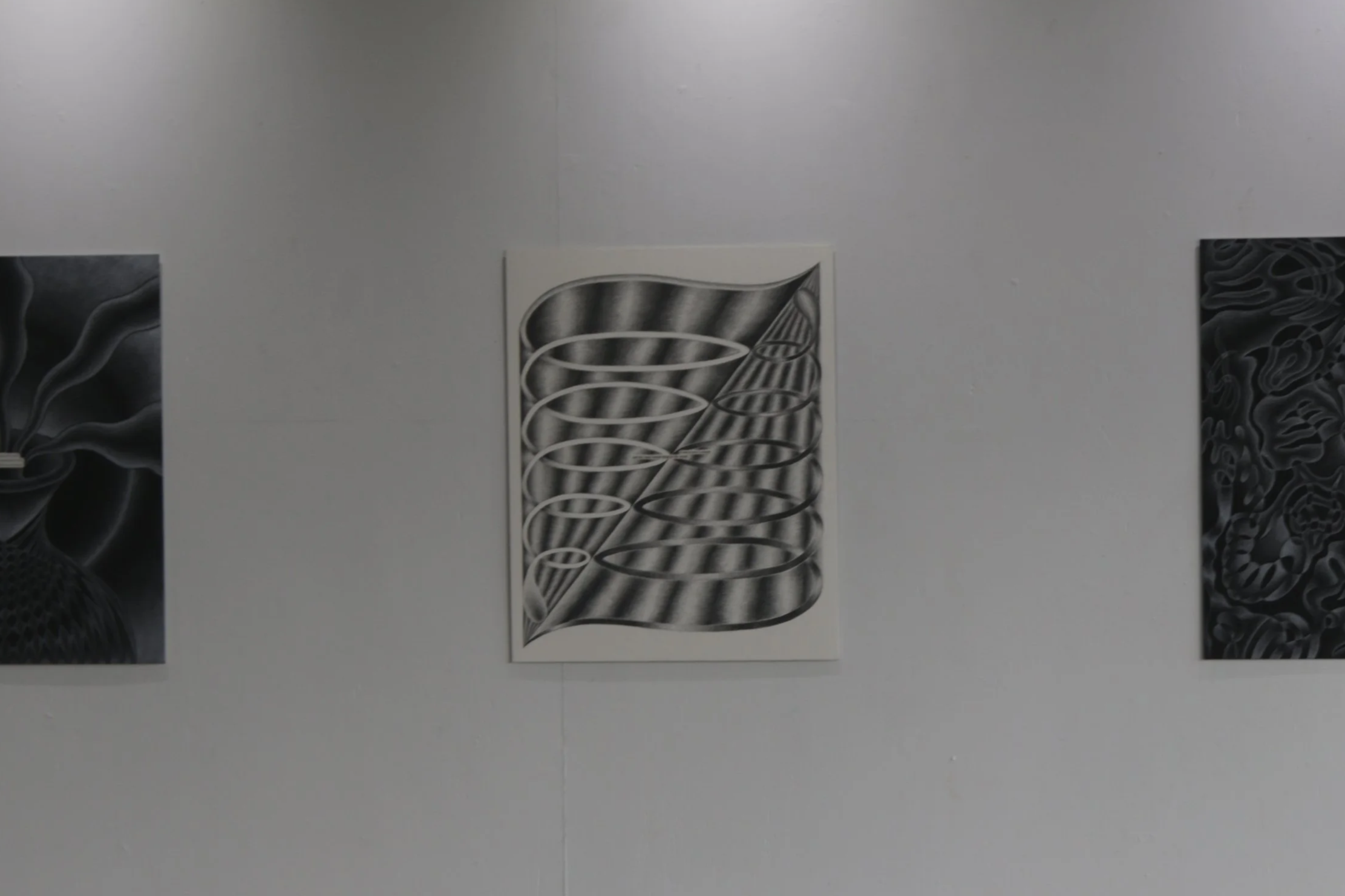
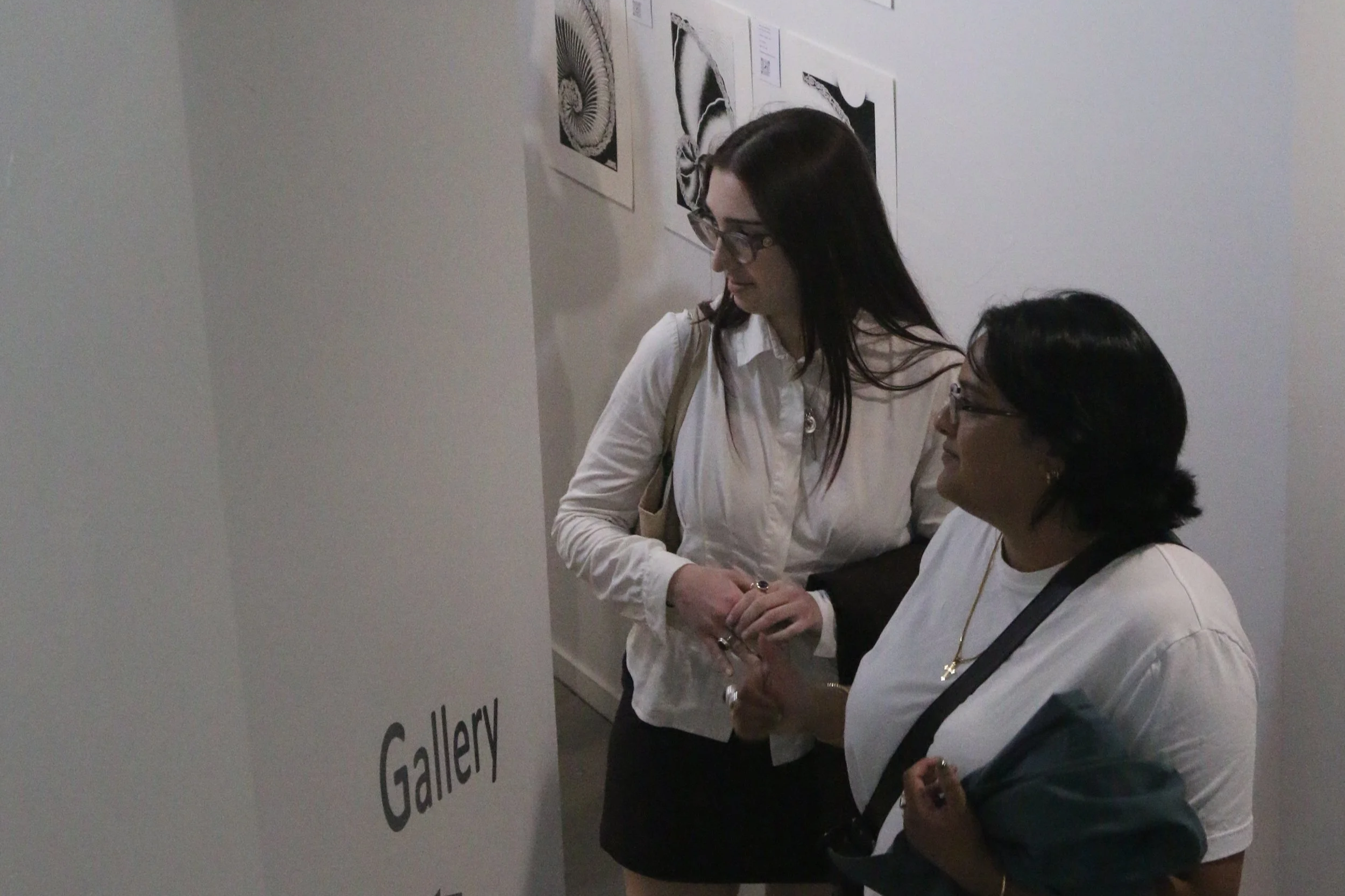
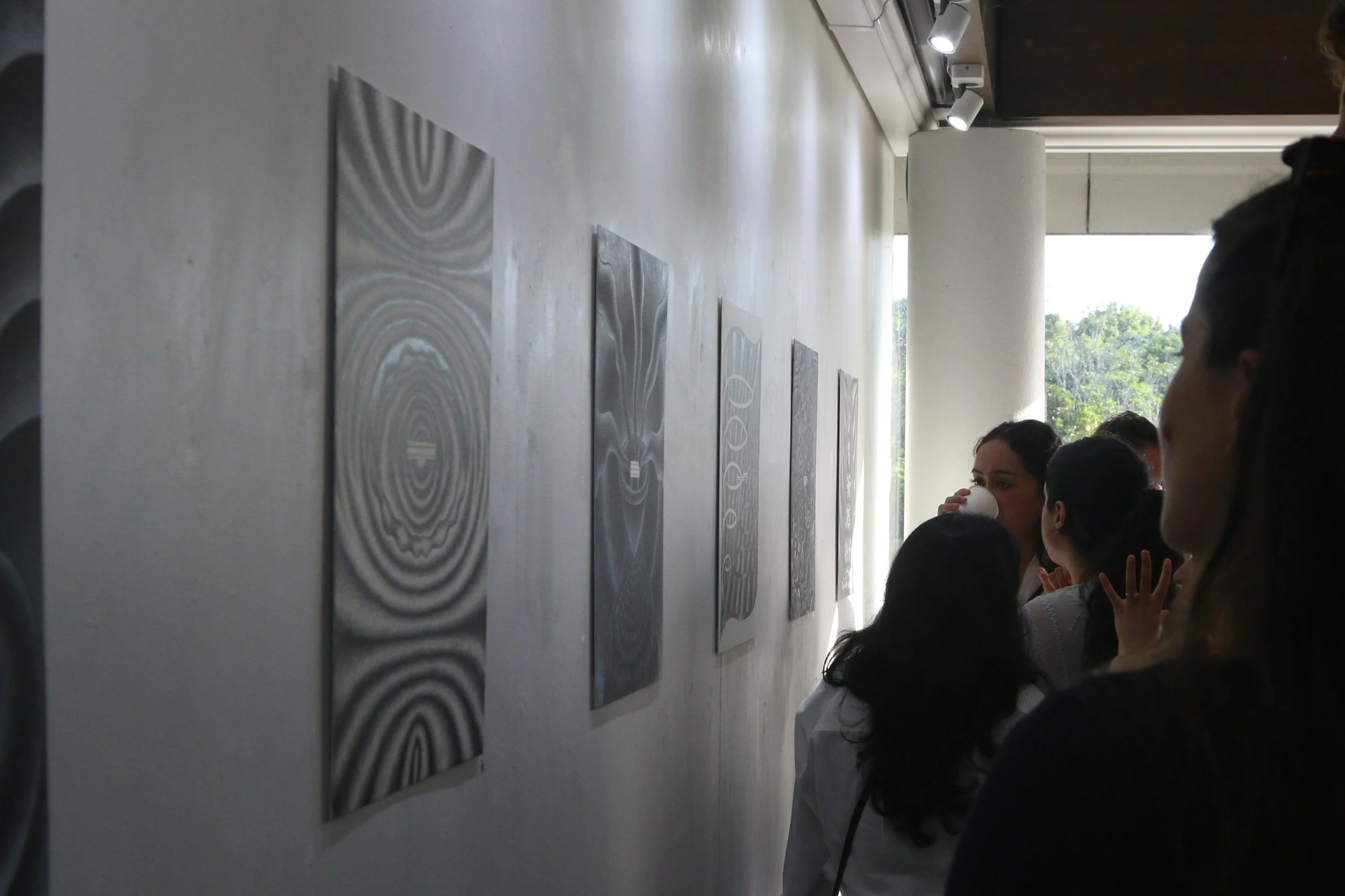
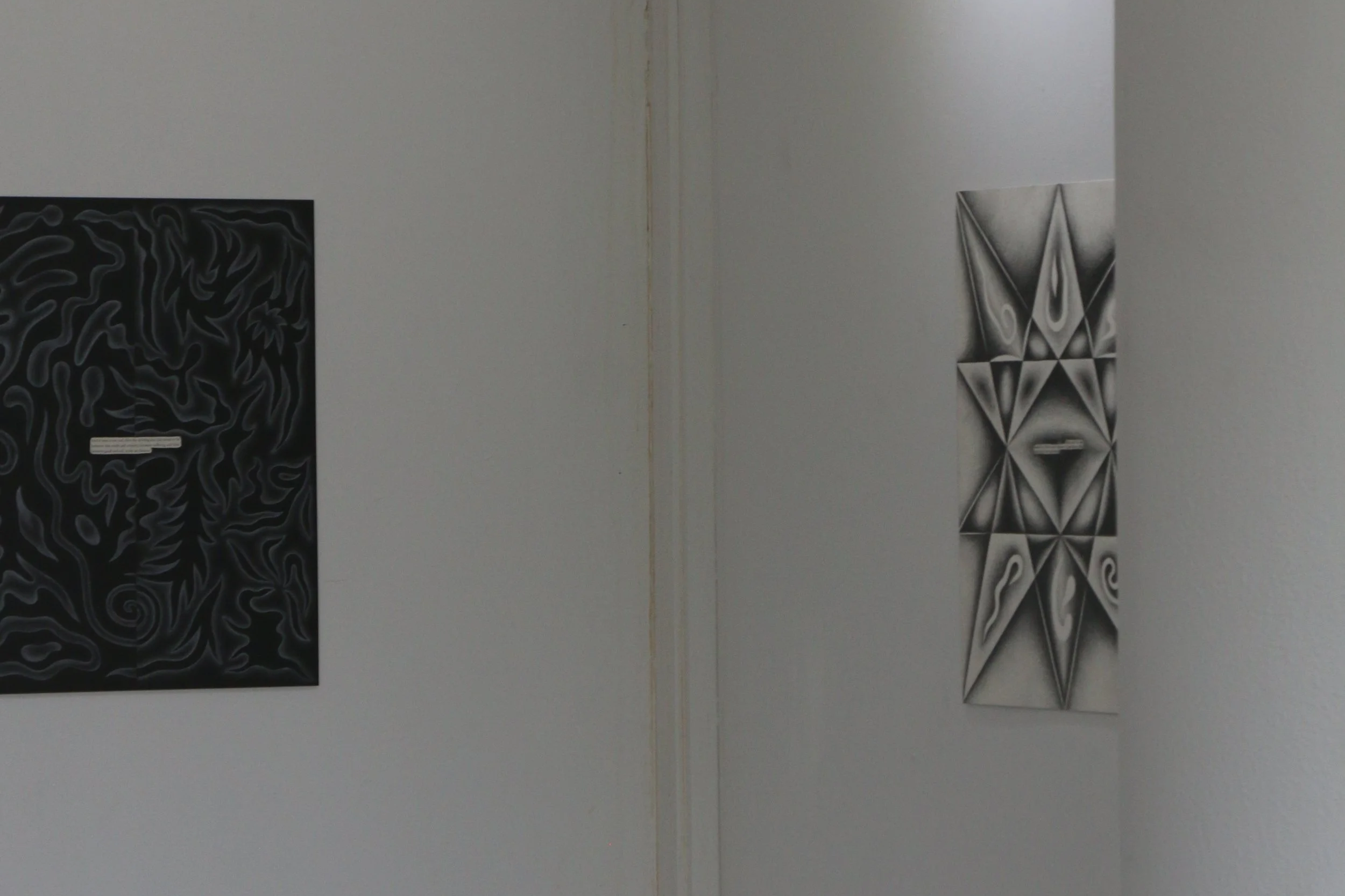
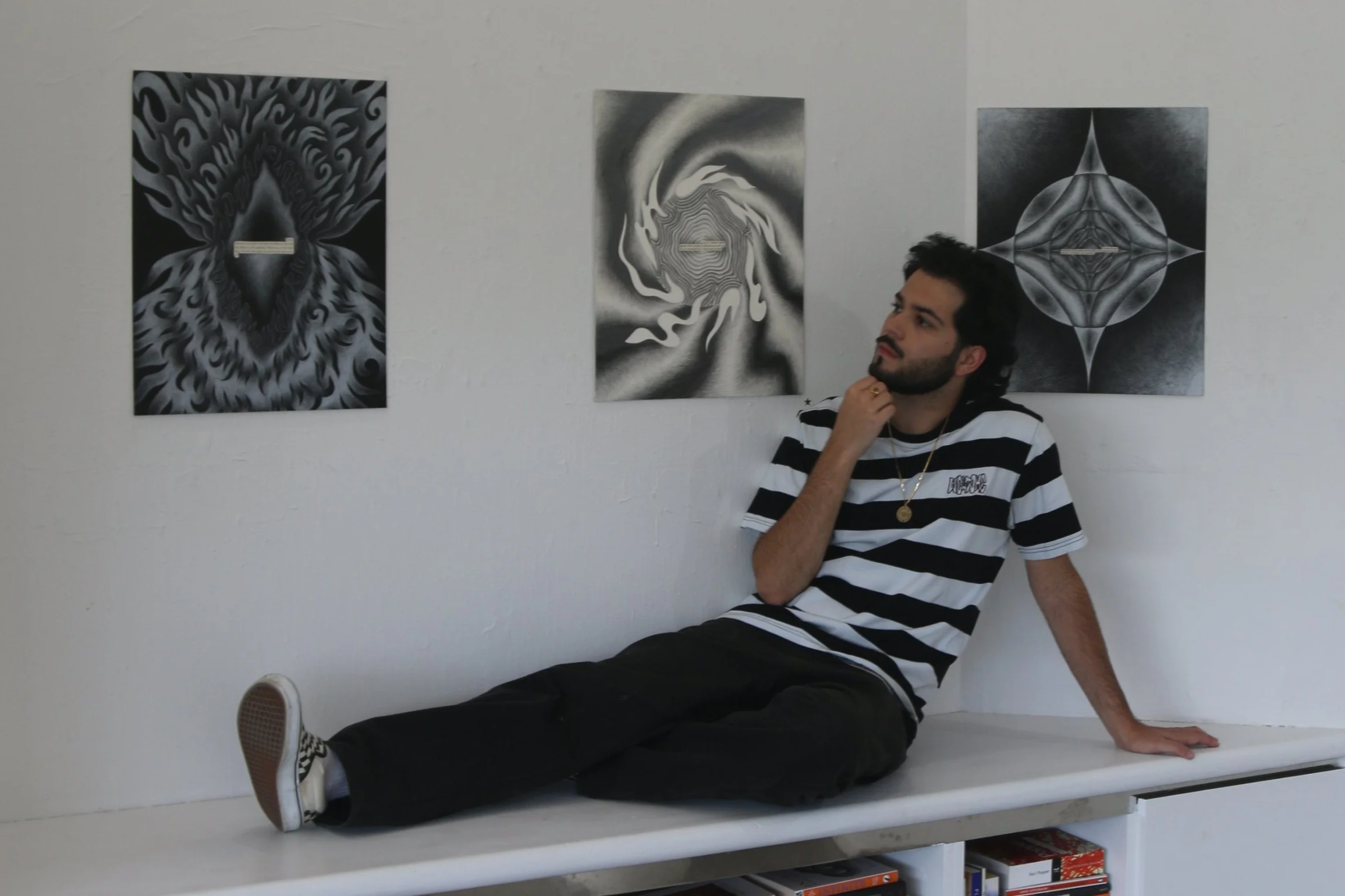
'Points of Unity' (Arthaus Contemporary, Auckland NZ, 2024) responds to this question with a series of eighteen monochromatic drawings created through the practice of ‘abstract illumination’. This term refers to the synthesis of two distinct styles of art-making: spiritual abstraction, inspired by the philosophy of Wassily Kandinsky, and the traditional techniques of manuscript illumination.

In 'Points of Unity', ‘abstract illumination’ is employed to transform dualistic, paradoxical and contradictory passages from a diverse ensemble of texts — ranging from philosophical classics and religious scripture to poetic fables and literary bestsellers — into harmonious, symmetrical and quasi-symbolic illustrations. Each drawing or ‘point’ is rendered in graphite or oil pencil on alternating pages of white and black paper to materialise the dialectical content of its corresponding text, and thus, reality itself. Forming a constellation, these works imagine precious points of unity around which opposing perspectives, peoples and communities can unite.